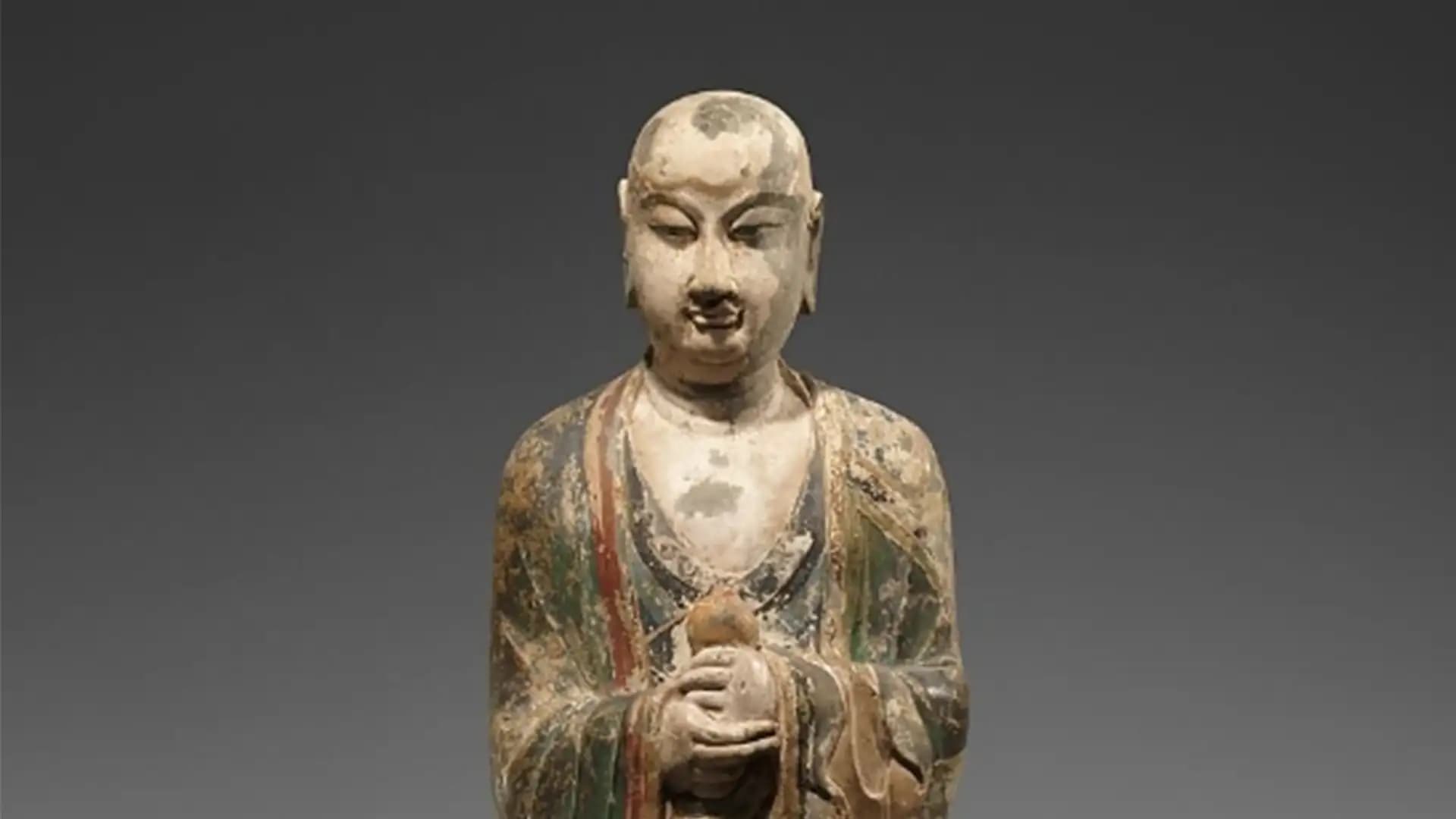
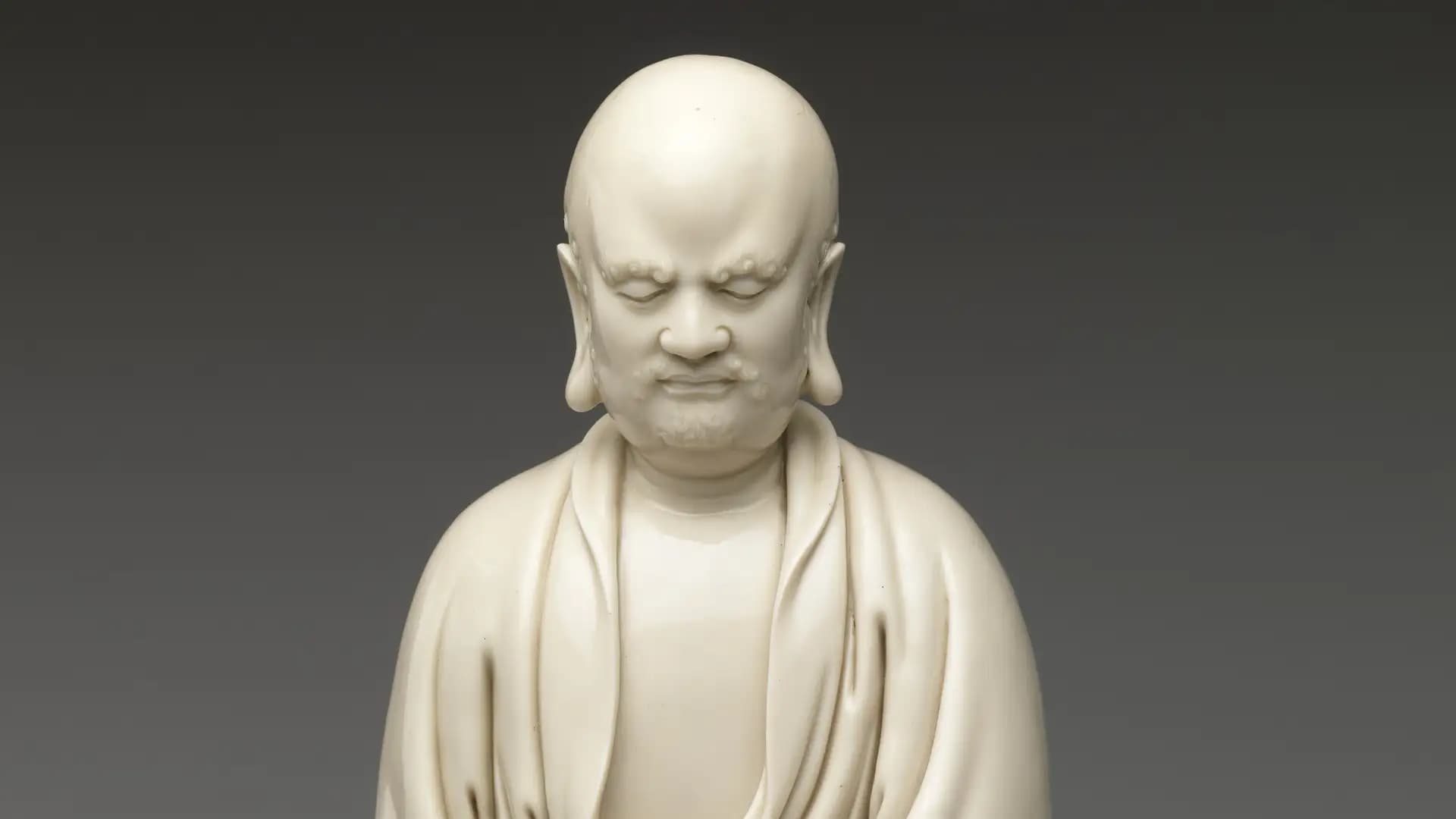
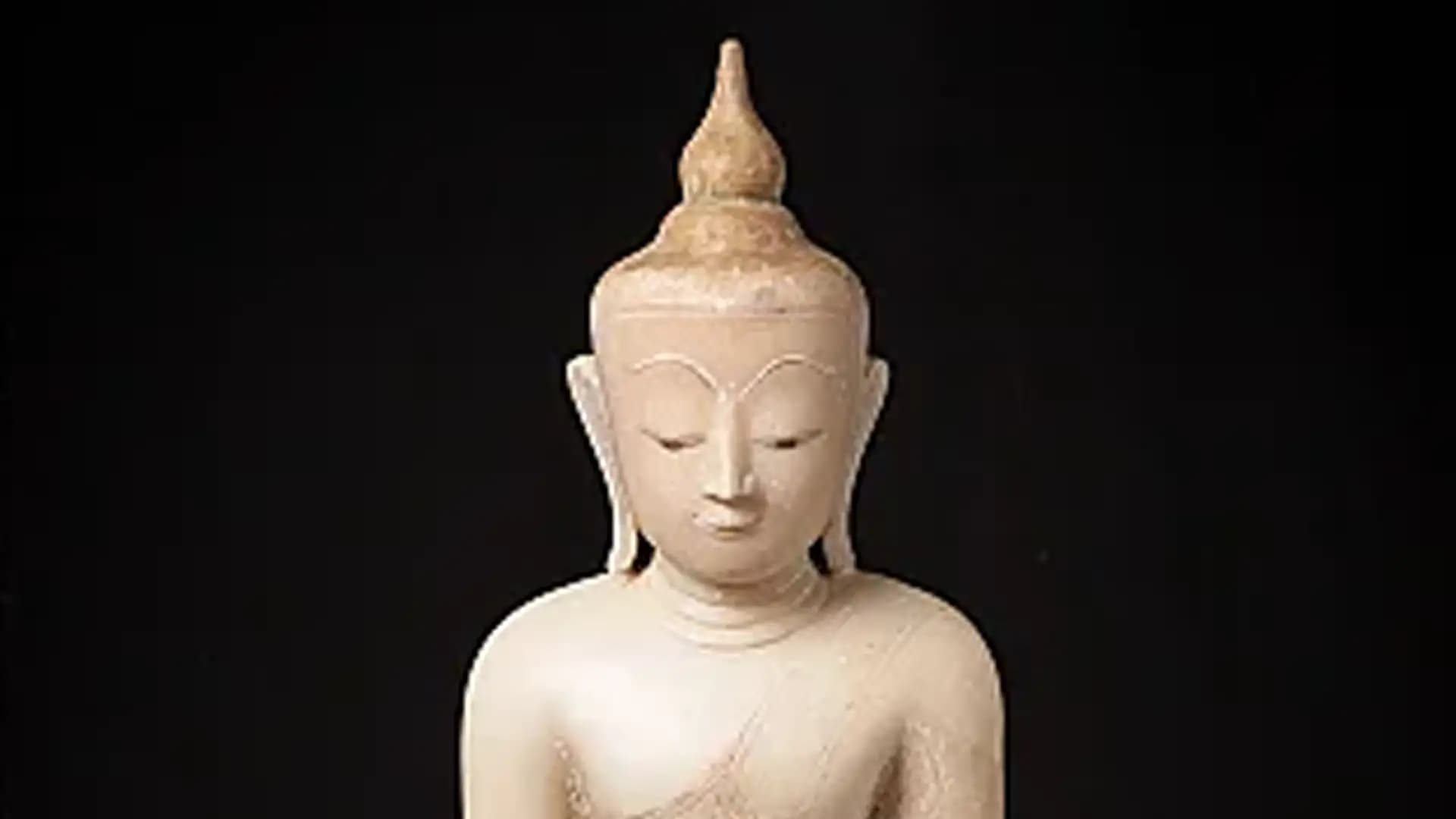
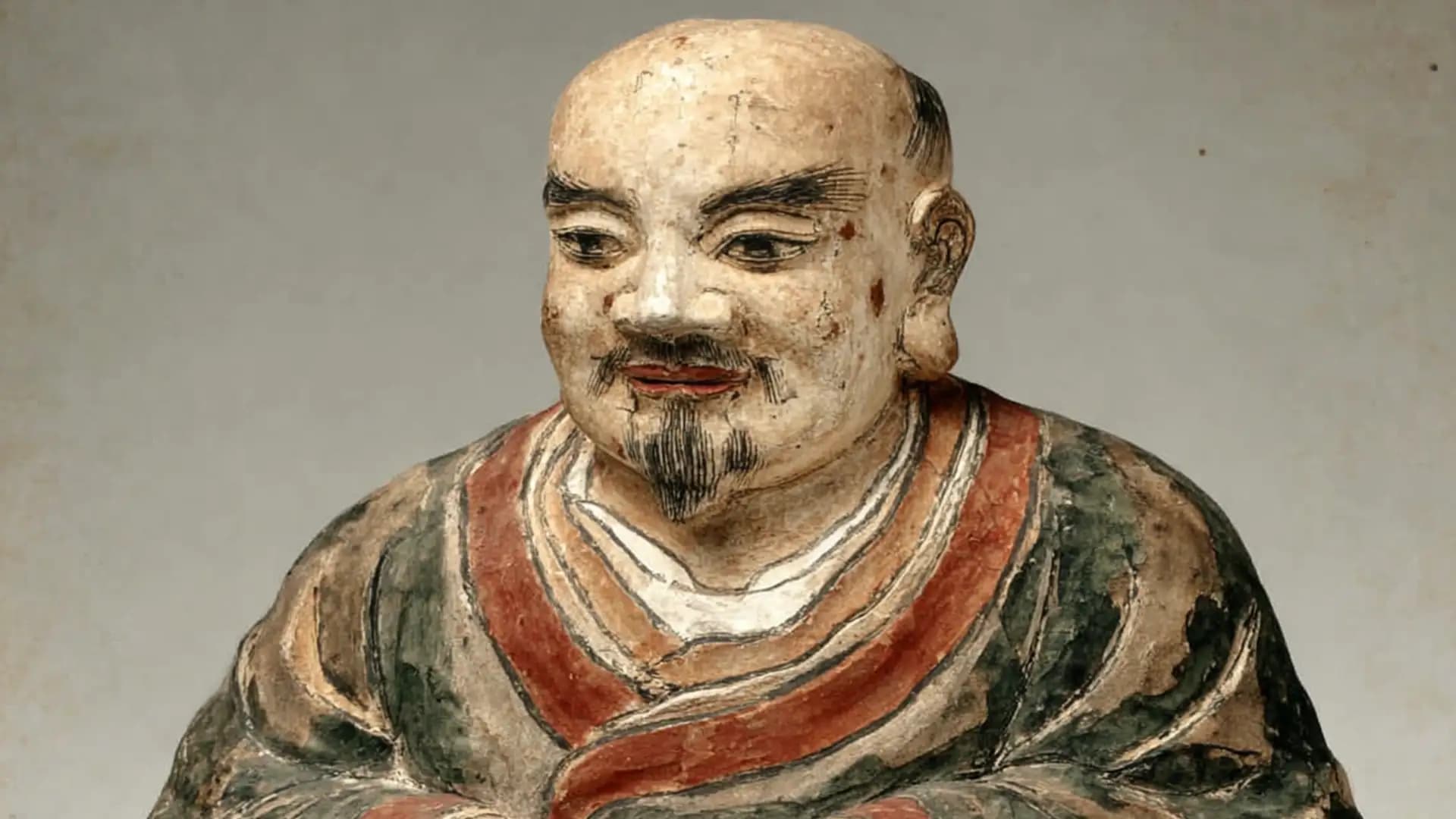
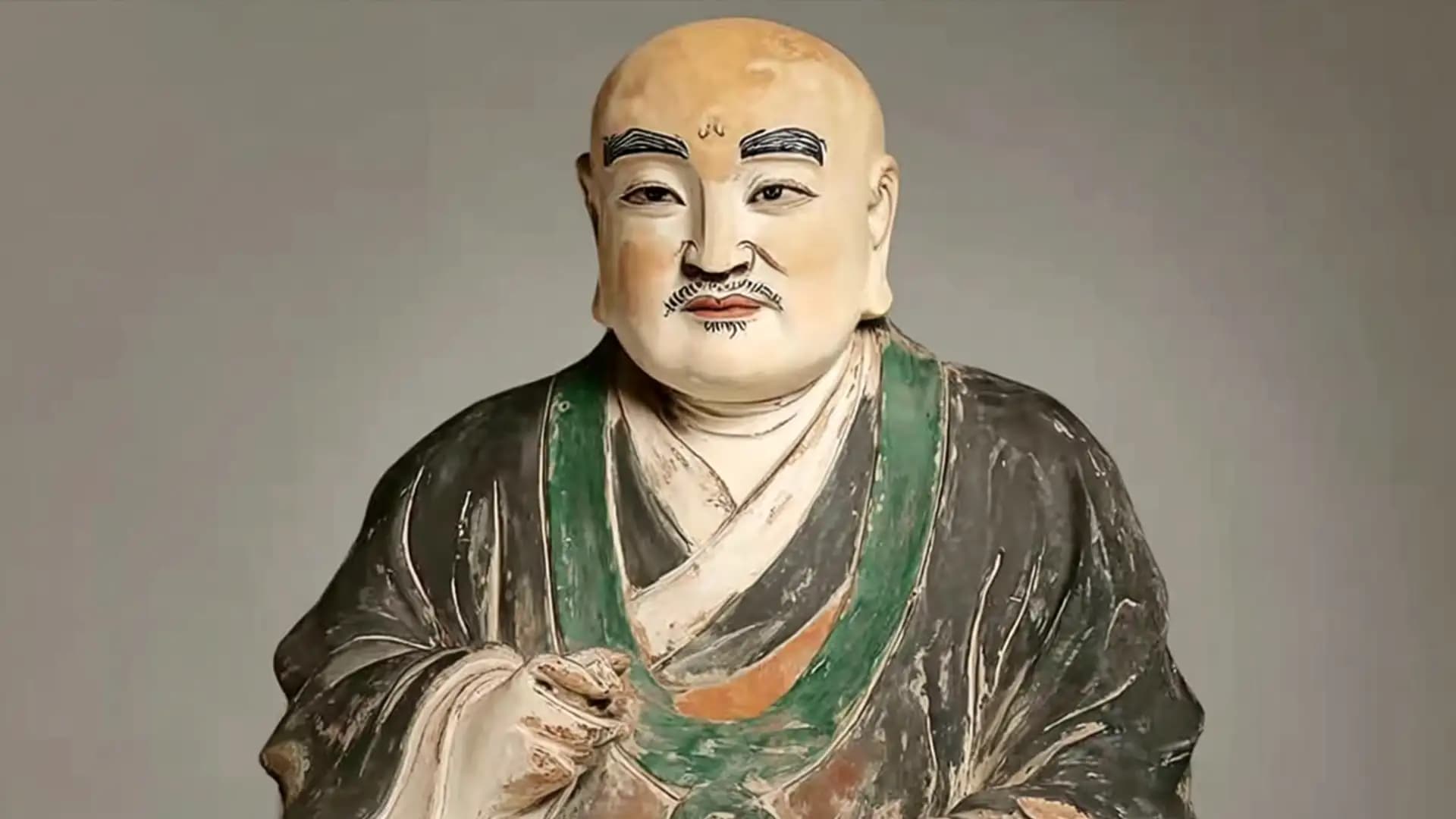
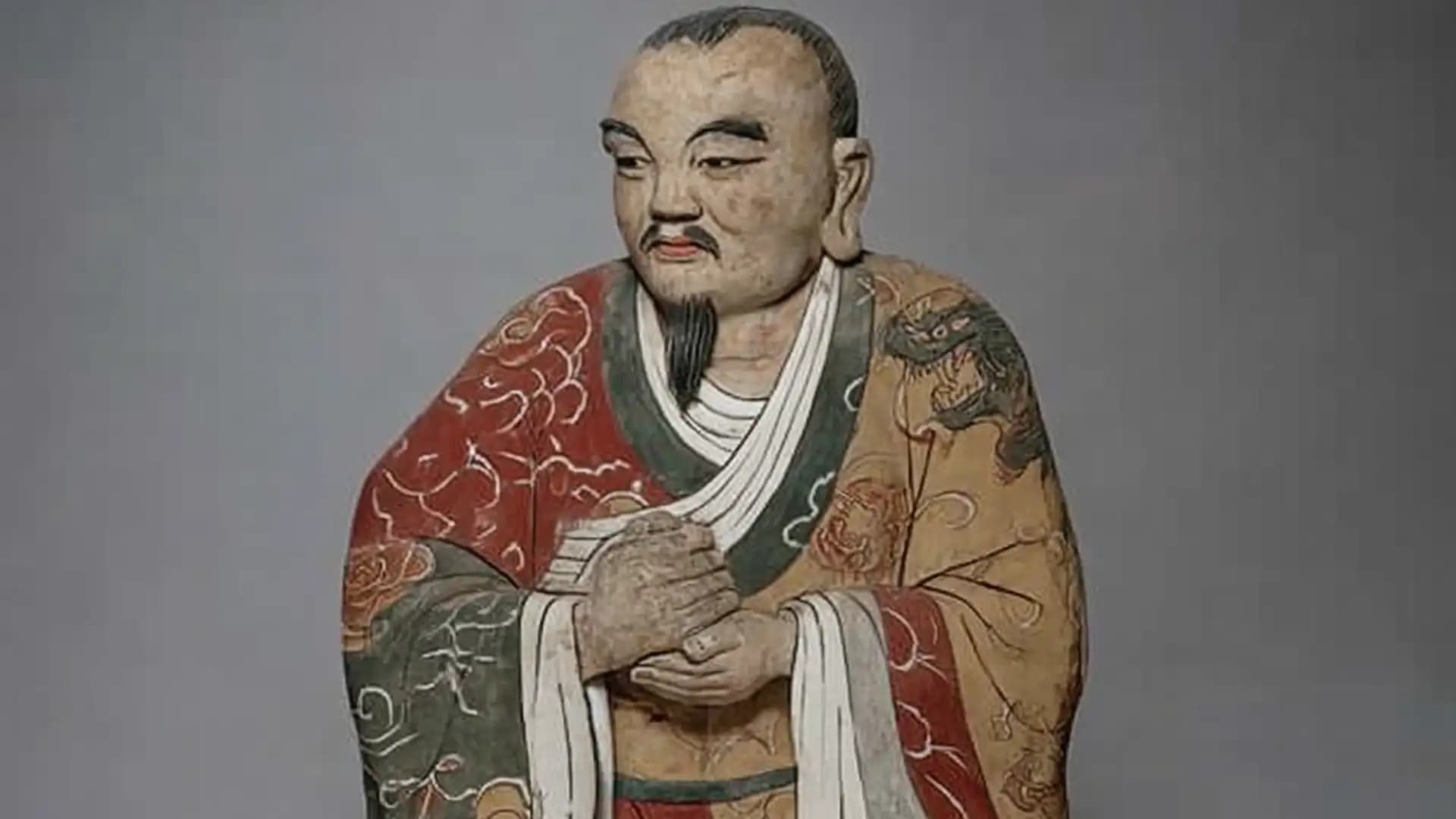
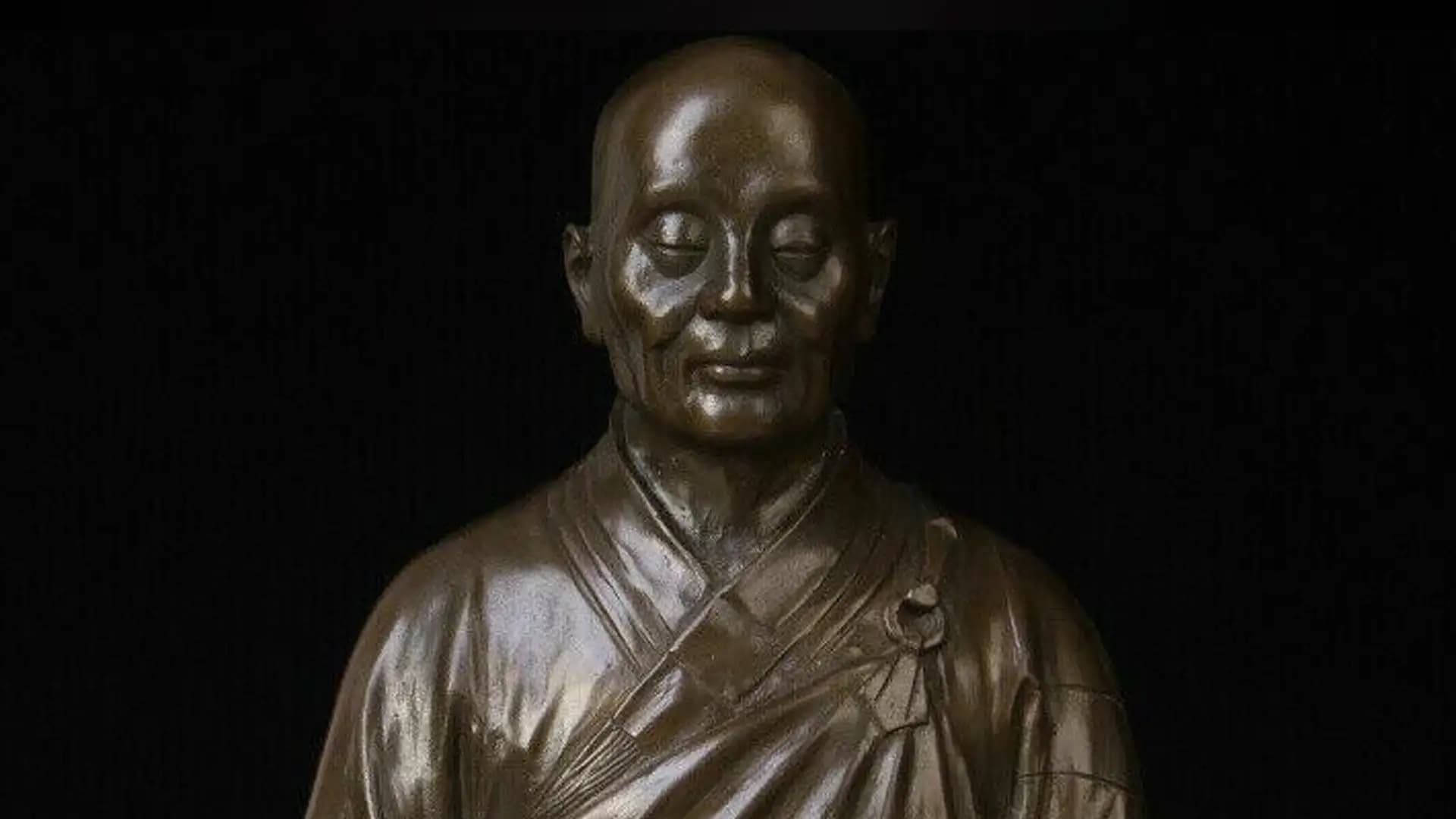
Jianzhi Sengcan
Third Patriarch of Chinese Chán after Bodhidharma and Huike, thirtieth Patriarch in the line from the Buddha.
Author of the Xinxin Ming.
繼菩提達摩與慧可之後,
佛祖傳法第三十代祖師。
《信心銘》作者。
〈信心铭〉以节奏明快、格言式的诗句写成,阐述觉悟源自于止息分别,不再执著于自与他、是与非。千余年来,它被奉为禅宗思想的基石之一,将道家的自然直觉与佛教的禅修精神融为一体,呈现出一种纯净而无造作的觉悟境界。
SENGCAN AND THE FAITH IN MIND
Sengcan, the Third Patriarch of Chinese Chán Buddhism and successor to the great master Huike, lived during the late sixth century, a time of transition and uncertainty in China. He is said to have realized awakening through direct insight rather than through ritual or scripture, and is remembered as the author of the Xinxin Ming (Tsin-Tsin Ming or Hsin-Hsin Ming), translated as Inscription on Faith in Mind, a concise expression of the essence of Zen.
The Xinxin Ming, composed in rhythmic, aphoristic verse, teaches that enlightenment arises when one ceases to divide the world into self and other, love and hate, right and wrong. For more than a thousand years it has stood as a cornerstone of Chán thought, bridging the intuitive simplicity of Taoism and the meditative discipline of Buddhism into a single vision of direct, uncontrived awareness.







Resources
Contact
Share a brief note or request. We'll get back to you soon.
